Tuesday, October 10, 2006

Cervics Postion Before Period

Welcome

I am glad you have to start this new adventure. It is not enough, I think, have a space to create, discuss, debate, discuss. You see, curiosity also calls us to us adults, it is assumed that-bad-we have it all figured out. Of course, when curiosity and desire to learn occupy our space, produce a force that brings them contagious. Therefore ... Welcome aboard!! And as always, or almost always, the boat is sailed together.

Claudire

Monday, October 9, 2006

How Do You Catch Herpis On Your Privite Parts

Interview with Guillermo


Century, a swap of hybridity

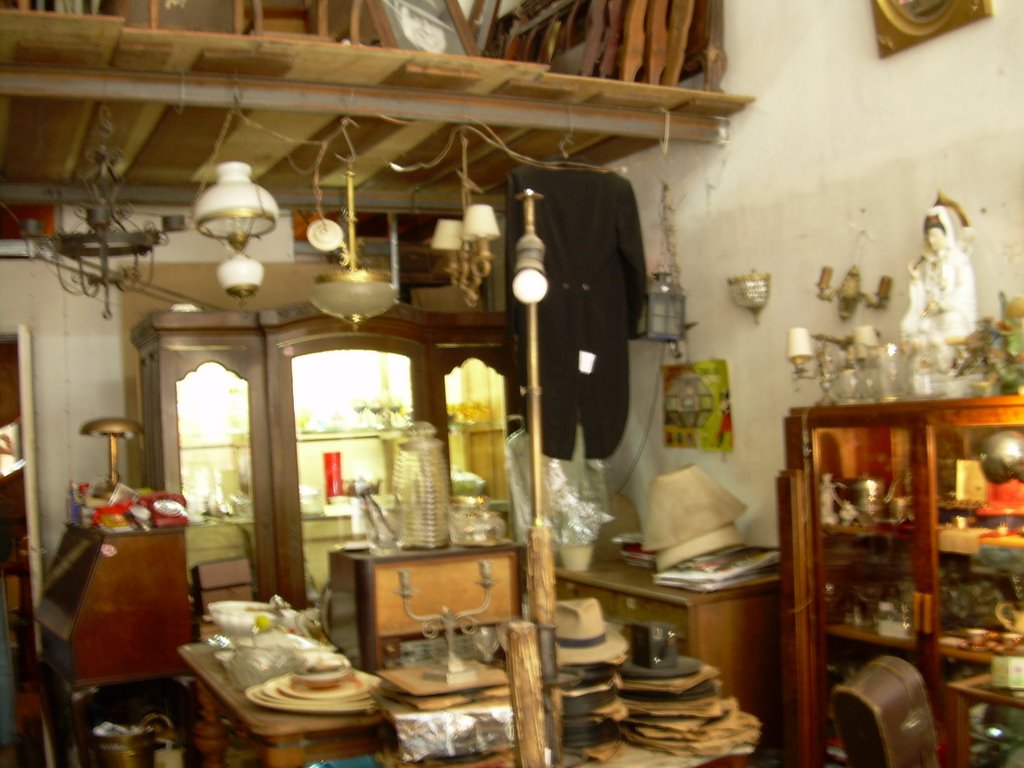
With a more rustic look to tango, a tango Guillermo header in front of his antique bowling. The announcement of the final bout at Luna Park Bonavena spread the colors of the Latin American flags that anticipate the sympathies of the owner of the trade. Twenty-four years ago by local yira Abasto, twenty-four years and all opted for this unusual item of sale.


Abasto you born in?
No, I'm from Lugano. I came to these payments for my love of tango. A love that I was born of purrete, or rather, my father instilled in me at home or whistling could be heard all day tango. Even as a young man put the lengue me, a white silk handkerchief that somehow signaled to us as "the stick" and I went to a milonga. Back in Lugano were many tango. I remember one time in a bowling alley, a seedy bar, invited him to Edmundo Rivero and the teacher did not hesitate, he went to Rioba and sang like a god ... how not to love the tango with the likes of him?
And what were your first jobs? Always
sale. First with my dad, then alone, until I found this place, which at first came only to listen or to dance tango.
What did you find in the Abasto when you started your business?
still working the market, pure cry in the morning. I was not here, my bowling was on the other side of the avenue, but the shouting, noise from trucks on Corrientes and the scent of fruit past were known to open the way not to forget where I was. And sometimes all that movement is strange.
"The mall did not bring prosperity to the neighborhood, only benefited in the building trade" Who lived
then the neighborhood?
were laburantes, people of the interior, especially the porters. All local around the market were enormous, down was the goods and office and up the pieces that were rented to the boys who came from outside. On Agüero there are still a couple of houses where you can appreciate the characteristics of the time. Although nothing remains the same. From the close of the market this quarter is a sadness.
brought life Is not the opening of Shopping?
Yes, but inside the mall, the neighborhood was worse. The change was not as good as advertised.
In what sense?, What were the expectations?
The improvement of the neighborhood, more cleaning, more order and fourteen ... it was abandoned ... He became a danger zone. Came a wave of Uruguayans and then were Peruvians. Maybe good people, but no prospects here, what to do if you had hardly any work? Many began to yirar by bars, some with more luck to make Changuito, others to beg or the young to take in the corners until the police got tired of both say "not here, not here" and they fell in or leaving, I do not know, but almost no one sees today. There are some families occupying what were once the porters and pensions after the market close were almost deserted. On the other hand, when everything disappeared, some homeowners abandon their properties because it is devalued significantly and now the thing is wanting, at least in the housing market, betting on the eviction ... but everything takes time. But the point is that foreclosure meant a neglect of the opening quarter and did not bring prosperity to the shopping district, only benefited in the building trade.
But the fact of having the mall does not attract tourism?, Did not improve sales? The
of shopping, not ours. European or American tourists, but generally come with guides or very schooled from home. As the place is classified as dangerous, take good care of walking all alone in the area, go to the mall, buy, maybe go out and go directly to one of these new restaurants tango ... what is to our bowling or overlook. Our audience is inside the tourist or the Latin American public is very nice but very little money.
What usually buy?
They like pasta discs, I sell them cheap at five dollars, and they leave happy. May also bring old posters like you're stuck in the window. Spend little glad to serve them but not like the others that come wrapped in euros and dollars and the only thing that matters is to ask for discount ... think they can buy something that his country would pay hundred dollars to five dollars. Think
you can change the situation?
follow this policy while promoting economic marginality, not think anything could change ... the tourists continue to be protected from insecurity, will visit only to appear in the guidebook and we, the traders below, will continue as low as now.

Big Travel Camera Bag

El Abasto

Twenty years after the close of trading Abasto

do the work culture to the culture of shopping?

tomatoes rotting on the streets of Abasto, rotting in the sun that breaks
asphalt del Abasto. Man sitting there with his bottle of "Resero"
bars empty and sad about the closure of the Abasto
Luca Prodan, Sumo.


"Soften banana four and three expert witness for the gentleman." "Stop, I hurried 'I am with the gaps." Dialogue rather than everyday back in the fifties when no one thought of the future market close. But that day came: fruits, vegetables, porters and herdsmen moved their belongings to the Central Market.
the morning of 14 October 1984, shouting, crying and experience ctativas of all kinds, began the procession. Sure it was not the same for the porters that the owners of the seats. "Where I live I now?, Where is Villa Celina?" Pensions were abandoned space, multiple pieces of rental occupied the top floor of the sheds El Mercado de Abasto in splendor
sale of fruit and vegetables were, at least in the early days, traveled only by ghosts and cobwebs. That day started a long period closed 50 years ago.
was in the late nineteenth century, when construction began the first market Vasena the architect, the building was authorized on 1 April 1893. However, only in 1934 when the market reopens Delpini Engineer with the facade that we know today, began his career of brilliance. It was considered, since then, one of the most important monuments edilicios City, and the market leading provider of South America.
The ten years following the close marked a break in the life of the locals, nothing would be as before. On 20 November 1994 Clarin presented a note entitled "Abasto Buenos Aires Bronx, and in summary completed" Drugs, prostitution, AIDS, marginality, crime. " Beyond the dramatic look of the morning, the landscape of the area was traversed by loneliness and abandonment. Although in the months following the closing, houses and pensions were virtually empty, soon after the deepening economic crisis in Argentina and in the neighboring countries, made people inside and immigrant Bolivian, Peruvian and Uruguayan , occupied with their bereaved families and those terroirs of odd jobs began to live in the best, or even begging, echoing the melodramatic title of Clarin-theft. It is true that shared the place with those porters that mired in poverty, had to stay in the neighborhood and every day, even today, carried out the long journey to the new market. This coexistence, according to his players was not, nor is it the best: "... more and more Negroes here, you can not believe ... Everyone comes lately ... this is no longer a hotel, formerly a hotel as people, decent, camaraderie, orderly, and no one could say 'I have to pay'. "
There were several attempts since then to change that situation, various projects were developed to determine the fate of the old market and, therefore, of the neighborhood: Home Workers union began its remodeling to install a cultural center but the break prevented the project from succeeding. Only in 1996, the company IRSA took the old building to bring it back. The project was based on the construction of a shopping center, which opened in 1999 with the name "Abasto Shopping."
Today we see the strange hybrid of the "new" neighborhood: in the center, imposing, luxurious, Shopping, behind a large Coto Pegaditas to edge frayed bits of history: a pair of local sales trying to capture almost innocence lust for the old and cheap tourists, several houses are still made its facade begins to remodel also to the delight of visitors, bars that have been lost in previous decades diners then and a shed, just one, which still keeps the flag of the market selling fruits and vegetables to area merchants. Complementing the self-confidence of Shopping, a few shops offer careerists from teaching tango to drink, eat and dance at the same place where he did the star, who may die again if he discovered what has become of his old neighborhood of Abasto.